By Suneco Lighting
organic matcha powder is an important sourcing topic for professional buyers. The right product must match the intended application while meeting commercial, documentation and packaging requirements. This guide explains how to compare options, test samples and write a practical purchase specification before production.
Matcha labels can sound precise while hiding meaningful differences between suppliers. Grade names are often commercial descriptions rather than one universal scale, so buyers should translate every claim into measurable requirements and test the powder in its real application.
Define the Intended Use
Write down who will use the product, how it will be prepared and the target selling price. Test the powder in the actual recipe or service method, not only in plain water.
Record the serving dose, water or milk ratio, sweetness level, processing temperature and expected visual result. These details give the supplier a usable brief and prevent vague grade discussions from replacing application testing.
Compare Sensory Quality
Evaluate color, aroma, umami, bitterness, particle size and finish. Use the same dose, water temperature, whisking or mixing method and lighting for every sample so the comparison is fair.
Color should be viewed under neutral light. Aroma should be fresh rather than stale or dusty. Texture and dispersion also matter because clumping or settling can affect customer experience and production efficiency.
Confirm Origin and Traceability
Ask the supplier to state the country of origin, processing location, ingredient identity and lot traceability method in writing. Marketing phrases such as Japanese style and Japanese origin do not mean the same thing.
If harvest timing, cultivar, organic status or another attribute matters, include it in the specification and request supporting documents for the destination market. Keep the approved sample and its lot information with the purchasing record.
Review Testing and Documentation
Required documents depend on destination, sales channel and intended use. Buyers commonly review a specification, certificate of analysis and available microbiological or contaminant test information.
Agree which limits and test methods apply before production. Certification logos, health claims and regulatory wording should not be added until the brand verifies that the product and transaction qualify.
Choose Packaging for Freshness
Matcha is sensitive to oxygen, moisture, heat, light and strong odors. A suitable pack needs an effective barrier, a reliable seal and a format that matches the expected usage rate.
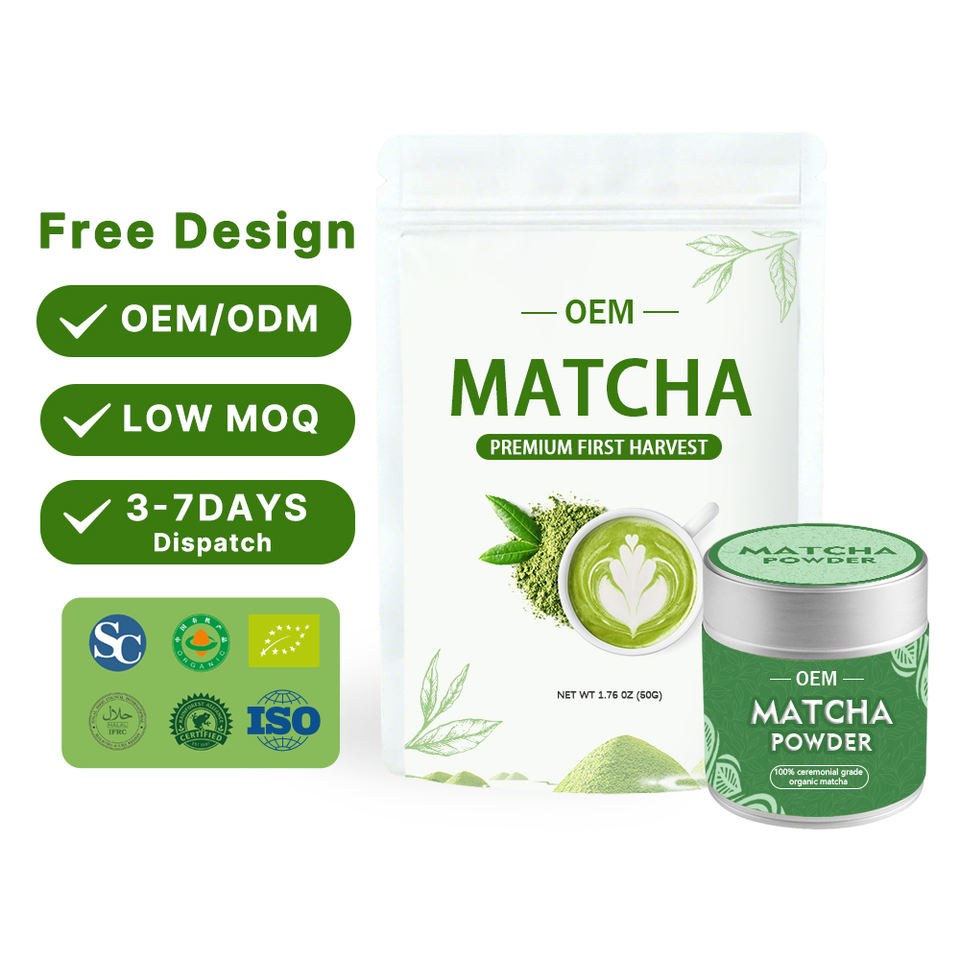
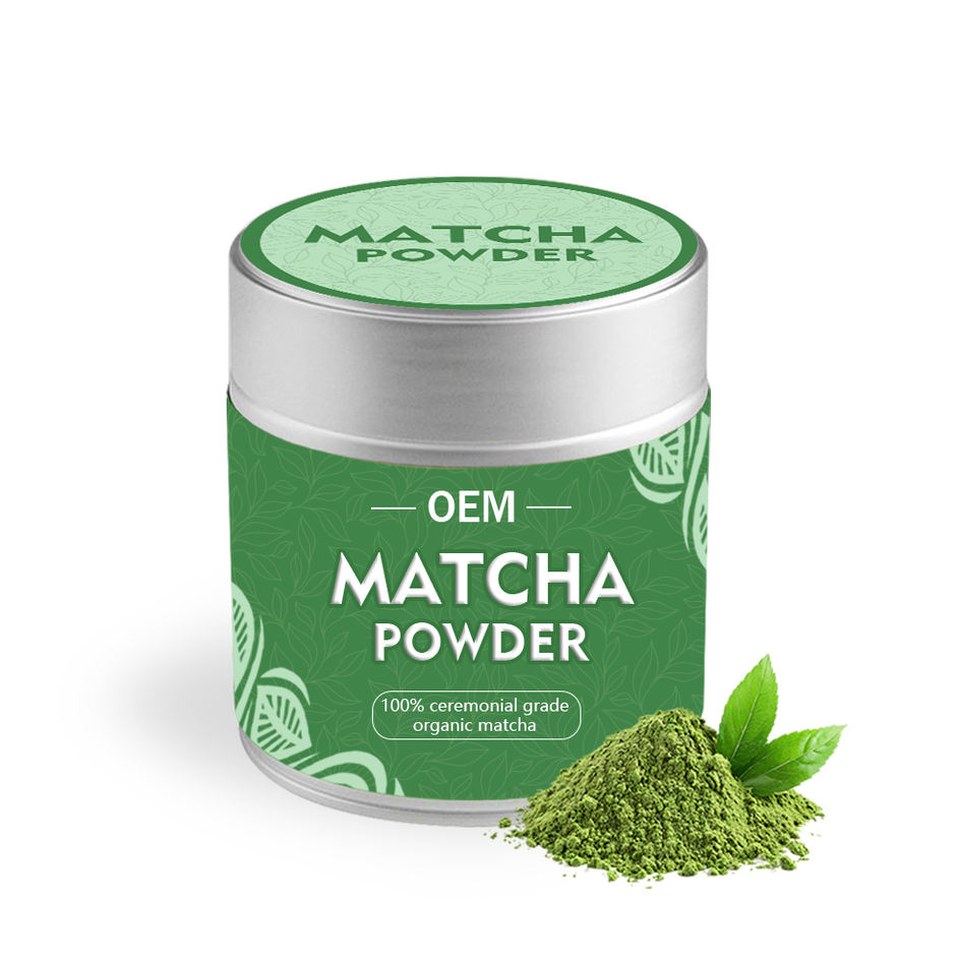
Small tins or pouches support retail freshness, while larger bags suit cafés and manufacturers. Confirm net weight, filling tolerance, date coding, carton configuration and storage instructions.
Calculate the Real Commercial Cost
Compare more than the quoted price per kilogram. Calculate cost per serving or finished unit, packaging, testing, printing, freight, duty and slow moving inventory.
A higher priced powder can be better value when its color or flavor allows a lower dose. A cheaper powder can become expensive if inconsistent batches cause reformulation, complaints or wasted packaging.
Approve Samples and Control Changes
Request representative samples from the specification intended for production. Test at least two preparation methods when the product will serve more than one application, and document the accepted result with photos and notes.
For repeat orders, define how the supplier communicates material, process, origin or packaging changes. Retention samples and incoming inspection help compare new lots with the approved standard.
Prepare a Complete Purchase Brief
A useful enquiry for organic matcha powder should state the application, target grade, expected order quantity, package size, packaging format, destination country and required documents.
Include the target launch date and whether custom artwork, labels, cartons or samples are needed. Clear information lets the supplier recommend a closer specification and quote the correct production steps.
Questions to Ask Before Ordering
Ask whether the quotation refers to the same specification as the approved sample, how long that specification remains available and what normal production lead time includes. Confirm how minimum quantities apply.
Also ask how lots are identified, which documents travel with the shipment and how packaging or specification changes are approved. Written answers give purchasing, quality and marketing teams one consistent record.
Choose the Right Sunecoo Matcha Option
Sunecoo Matcha provides product options for wholesale, foodservice and private label programs. Compare the linked product page with your approved sample criteria and purchase brief.
Before ordering, confirm the final specification, packaging, quantity, delivery terms and storage guidance in writing. A structured approval process turns a broad matcha grade name into a repeatable product.
Plan the First Order
Begin with a quantity that supports meaningful market testing without creating avoidable stock risk. Review the supplier lead time, packaging minimums, shipping method and estimated arrival date together, because each part affects the realistic launch schedule.
Document every approved detail in one order summary, including the product specification, pack size, artwork version and destination. A written summary reduces misunderstandings and provides a clear reference for repeat purchasing.
Final Buyer Checklist
Before approval, confirm the sample reference, ingredient statement, country of origin, required test documents, packaging material, net weight, coding format, carton quantity, storage guidance and delivery terms. Ensure the commercial invoice and label information use the same product description.
Keep the approved sample, specification and artwork version together. This simple record helps the buyer identify changes quickly and maintain a consistent Sunecoo Matcha product across future orders.

Discover Sunecoo Matcha
Join the Sunecoo Matcha Newsletter for matcha product updates, sourcing guides, private label packaging ideas and wholesale market insights.