By Suneco Lighting
Ceremonial grade matcha vs culinary grade matcha is one of the first comparisons buyers make when building a tea, café, foodservice or private label program. Both products are finely ground green tea powders, but they are selected and blended for different uses. Ceremonial matcha is commonly designed for drinking with water, while culinary matcha is generally chosen for recipes in which milk, sugar or other ingredients influence the final flavor.
The grade name alone does not guarantee performance. Commercial buyers should compare color, taste, application, specification, packaging and cost before selecting a product.
Quick Comparison
| Factor | Ceremonial Grade Matcha | Culinary Grade Matcha |
|---|---|---|
| Primary use | Whisked tea and premium beverages | Lattes, baking, desserts and food production |
| Flavor | Smoother, more umami and less bitter | Stronger and more noticeable in recipes |
| Color | Usually bright, vivid green | Ranges from bright green to deeper green |
| Cost | Generally higher | Generally more economical |
| Buying priority | Straight-drinking quality and finish | Recipe performance and cost per serving |
What Is Ceremonial Grade Matcha?
Ceremonial grade generally refers to matcha suitable for preparation with water. Because the powder is consumed without other ingredients, buyers expect a clean aroma, fine texture, balanced umami and controlled bitterness. Bright color and a pleasant aftertaste are also important for premium tea service.
The term is a market description rather than a universal legal standard. Suppliers may use different grade systems, harvest specifications and blending methods. A buyer should request samples and written specifications instead of assuming that every ceremonial product is equivalent.
What Is Culinary Grade Matcha?
Culinary grade matcha is formulated for use in recipes. It often has a stronger tea character so that its color and flavor remain present when mixed with milk, sweeteners, flour, chocolate, fruit or other ingredients. The taste may be more robust and astringent when prepared only with water, but that does not make it unsuitable for its intended application.
Culinary matcha includes several possible performance levels. A bright premium culinary powder may work well in café lattes and ice cream, while a more economical grade may be selected for baking or large-scale food production. Buyers should specify the recipe and desired appearance when requesting samples.
Differences in Color, Flavor and Texture
Ceremonial matcha is often selected for vivid green color and a softer flavor profile. Culinary grades can also be bright green, but some have a deeper or more muted tone depending on the leaf material and target cost. Color should always be tested in the finished product because dairy, plant milk, sugar and heat can change the result.
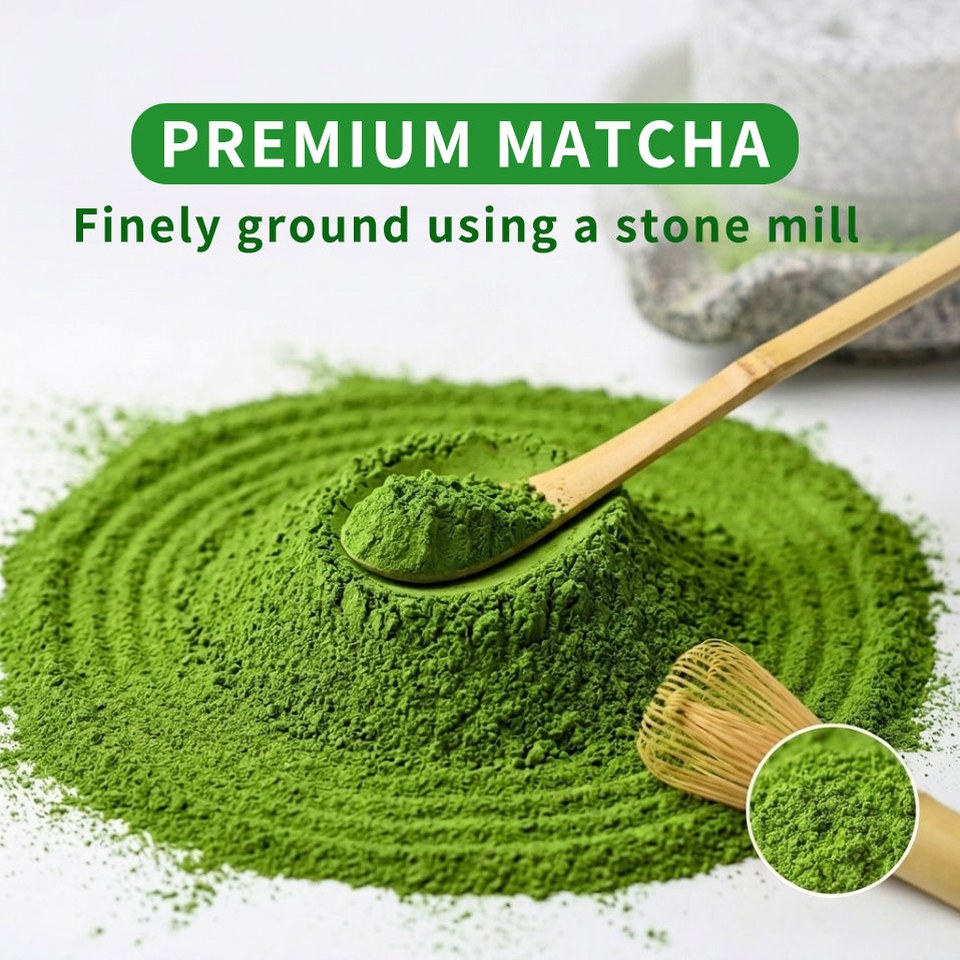
Texture matters in both grades. Fine powder supports smooth whisking and consistent mixing. In commercial recipes, dispersion performance can affect mouthfeel, settling and production efficiency. Sifting or premixing may still be necessary, especially after a package has been opened and exposed to humidity.
Which Grade Is Best for Matcha Lattes?
The answer depends on the recipe and selling price. A premium latte intended to highlight matcha aroma may use a ceremonial-style or high drinking grade. A flavored latte with more milk or syrup may perform better with a strong culinary grade because the tea character remains noticeable.
Test each sample at the actual serving dose. Compare hot and iced recipes, dairy and plant-based milk, sweetness level, color after mixing and cost per cup. The most expensive grade is not automatically the best commercial choice if its subtle flavor disappears in the recipe.
Which Grade Is Best for Baking and Food Manufacturing?
Culinary matcha is usually the practical choice for cakes, cookies, chocolate, noodles, fillings, protein blends and other manufactured foods. Heat, fat and other ingredients can reduce delicate aromas, so recipe performance is more valuable than straight-drinking refinement.
Manufacturers should confirm ingredient declarations, allergen controls, testing requirements and batch consistency. The supplier should understand the production environment and provide a suitable pack size. A bakery may prefer smaller sealed bags, while a larger manufacturer may need kilogram packs or bulk cartons.
How Buyers Should Compare Samples
- Prepare every sample with the same water temperature and powder dose.
- Taste it first with water to understand its basic flavor.
- Test it again in the intended latte, dessert or food recipe.
- Record color, aroma, bitterness, umami, texture and aftertaste.
- Calculate cost per serving rather than comparing price per kilogram alone.
- Repeat the test after opening and storing the sample for a reasonable period.
Keep supplier names hidden during the first tasting when possible. A simple blind evaluation can reduce brand and price bias.
Packaging and Storage for Both Grades
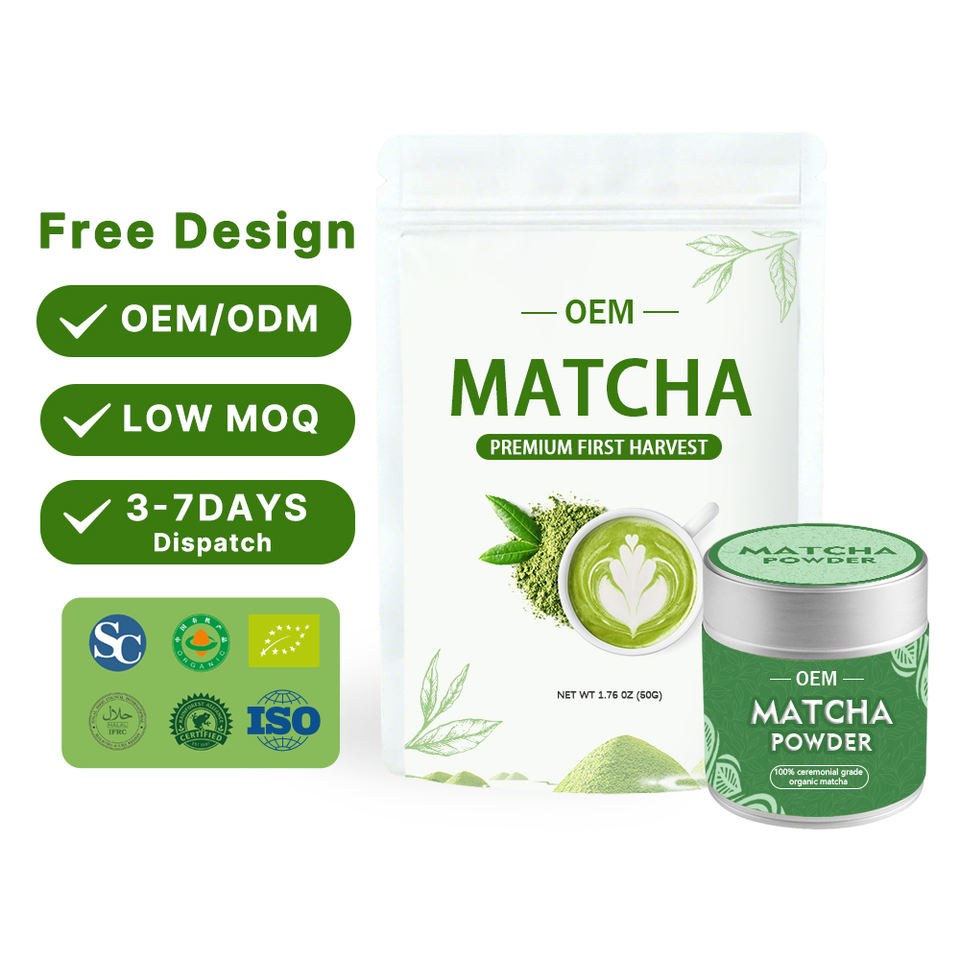
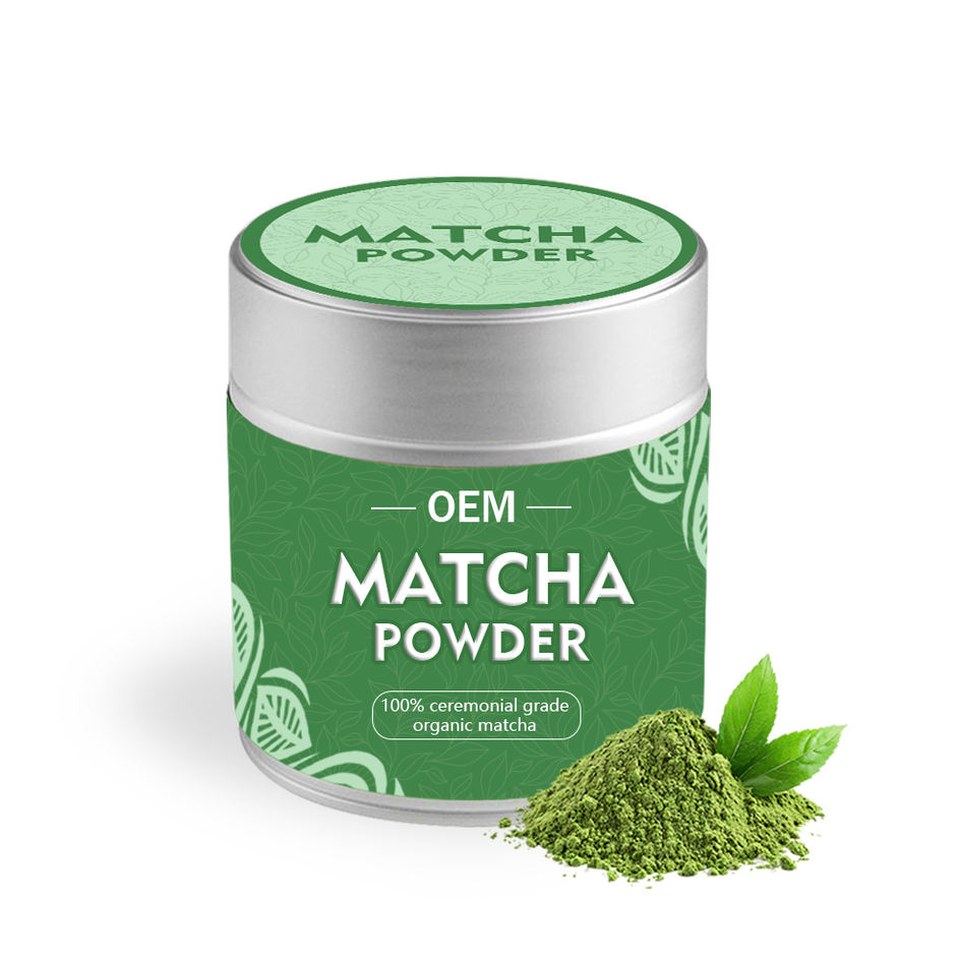
Both ceremonial and culinary matcha are sensitive to oxygen, moisture, light and heat. Use sealed high-barrier packaging and avoid unnecessary air space. Retail projects may use tins or small pouches, while cafés and manufacturers may prefer resealable bags or portioned foodservice packs.
Confirm the supplier’s shelf-life guidance, date coding and storage instructions. After opening, reseal the package promptly and keep it in a cool, dry and dark environment. Large users can reduce repeated exposure by dividing requirements into smaller sealed units.
Choosing the Right Sunecoo Matcha Product
Choose ceremonial matcha when the customer experience depends on straight-water flavor, smoothness and premium presentation. Choose culinary matcha when strength, recipe performance and cost efficiency are more important. Many businesses use more than one grade: a premium product for traditional tea and a separate grade for lattes or manufacturing.
Explore Sunecoo Matcha’s ceremonial matcha powder and bulk matcha powder options. For sample selection, OEM packaging or wholesale quotations, contact us with your application, expected quantity, package format and destination.

Discover Sunecoo Matcha
Join the Sunecoo Matcha Newsletter for matcha product updates, sourcing guides, private label packaging ideas and wholesale market insights.