By Suneco Lighting
Ceremonial grade matcha powder is the style most buyers associate with a vivid green color, a fine texture and a smooth bowl of traditional matcha. The term is widely used in the market, but it is not a single international legal grade. For importers, café operators and private label brands, the useful question is not simply whether a product carries the word “ceremonial.” The useful question is whether its color, aroma, taste, particle size, origin, packaging and specification fit the intended application.
This guide explains how ceremonial matcha is commonly evaluated and what commercial buyers should confirm before placing a wholesale or OEM order.
What Does Ceremonial Grade Matcha Mean?
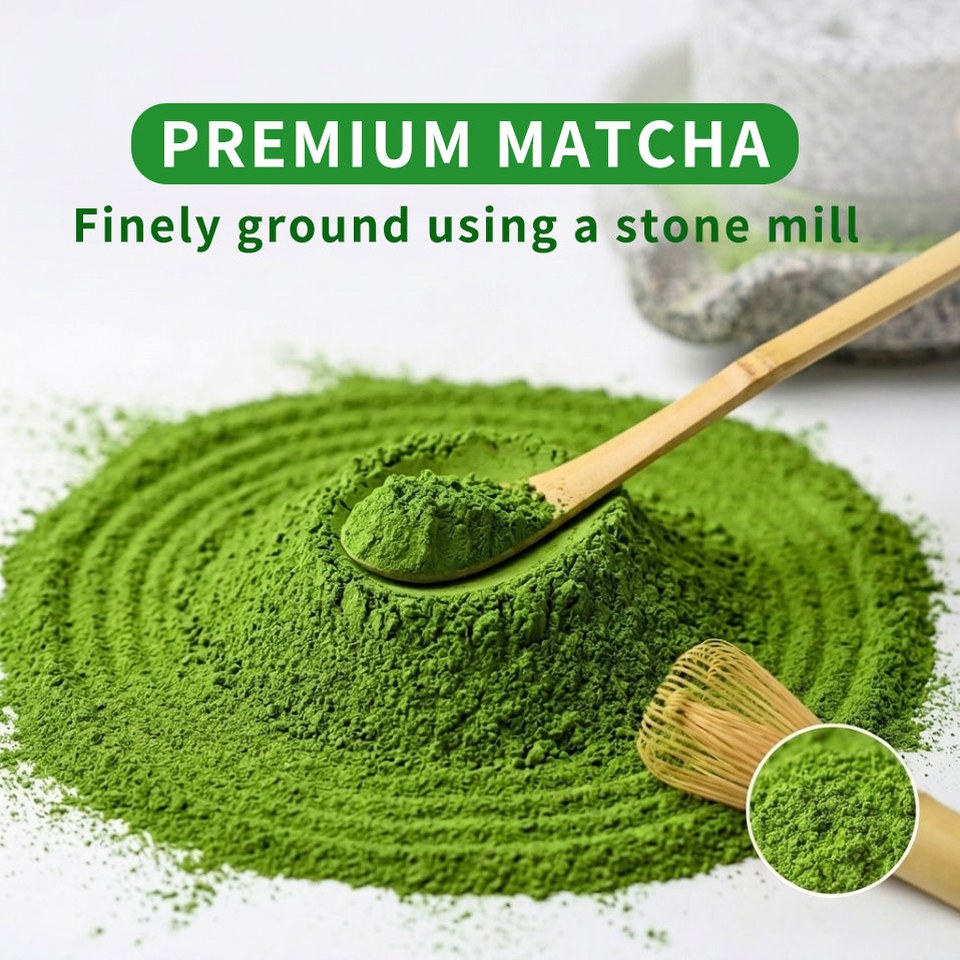
Ceremonial grade usually describes matcha intended to be whisked with water and consumed directly. Because there is no milk, syrup or baking ingredient to cover the flavor, the powder should offer a clean aroma, balanced umami, limited bitterness and a pleasant finish. It is normally made from carefully selected shade-grown tea leaves that are processed into tencha before stone milling or fine grinding.
Suppliers may use different internal grade systems. One company’s ceremonial grade may be close to another company’s premium drinking grade. Buyers should therefore compare samples and specifications rather than relying on the label alone. A clear purchase specification is more reliable than a general grade name.
Color, Aroma and Texture
High-quality ceremonial matcha normally has a bright, lively green appearance. A dull olive or yellow-green color can indicate differences in leaf material, processing, age or storage conditions. Color should be evaluated under consistent natural or neutral light because warm indoor lighting can make powders look different.
The aroma should be fresh and vegetal, with notes that may resemble young greens, seaweed, sweet grass or steamed vegetables. It should not smell stale, dusty or strongly oxidized. Texture is also important. Fine powder should feel smooth between the fingers and disperse evenly when sifted and whisked. Clumps can result from moisture exposure even when the original powder was finely milled.
Taste and Whisking Performance
A ceremonial-style matcha should produce a balanced cup with natural sweetness, umami and moderate astringency. Some bitterness is normal because matcha contains the entire ground leaf, but harsh bitterness should not dominate a straight-water preparation. Buyers should taste samples with the same water temperature, dose and whisking method to make comparisons meaningful.
Foam is a useful preparation characteristic, although it should not be treated as the only quality test. Sift the powder, add water below boiling temperature and whisk briskly. Observe the foam, aroma, mouthfeel and aftertaste together. For commercial evaluation, record each sample with a consistent scoring sheet.
Origin, Harvest and Processing Questions
Origin claims should be supported by the supplier’s documentation and traceability system. Japanese-style matcha and Japanese-origin matcha are not the same statement. Buyers should confirm the country of origin, production location and any certification claims required for the destination market.
First-harvest material is often selected for premium drinking matcha because younger leaves can deliver a softer texture and fuller umami. Shading period, cultivar, harvest timing, steaming, drying and milling all influence the finished powder. A serious supplier should be able to explain the product specification without making vague or unsupported promises.
How to Choose Matcha for Your Market
Begin with the final use. Traditional tea service may require the cleanest flavor and brightest appearance. A premium latte can use a strong drinking grade that remains recognizable when combined with milk. Foodservice buyers may prioritize color consistency, supply stability and cost per serving. Retail brands must also consider package size, shelf presentation and the expected time between production and consumption.
Request samples from the same production specification that will be used for the order. Compare them in the intended recipe, not only in plain water. Confirm the powder dose, serving cost, target customer and acceptable flavor profile before approving a grade.
Wholesale Buyer Checklist
- Country of origin and traceability information
- Ingredient statement and product specification
- Color, aroma, taste and particle-size expectations
- Microbiological and contaminant testing requirements
- Organic or other certification documents when applicable
- Sample approval and batch-consistency process
- MOQ, lead time and available packaging formats
- Label language and destination-market requirements
For private label projects, also confirm artwork dimensions, print method, barcode placement, sealing requirements and carton configuration. These details affect both production time and quotation accuracy.
Packaging and Storage
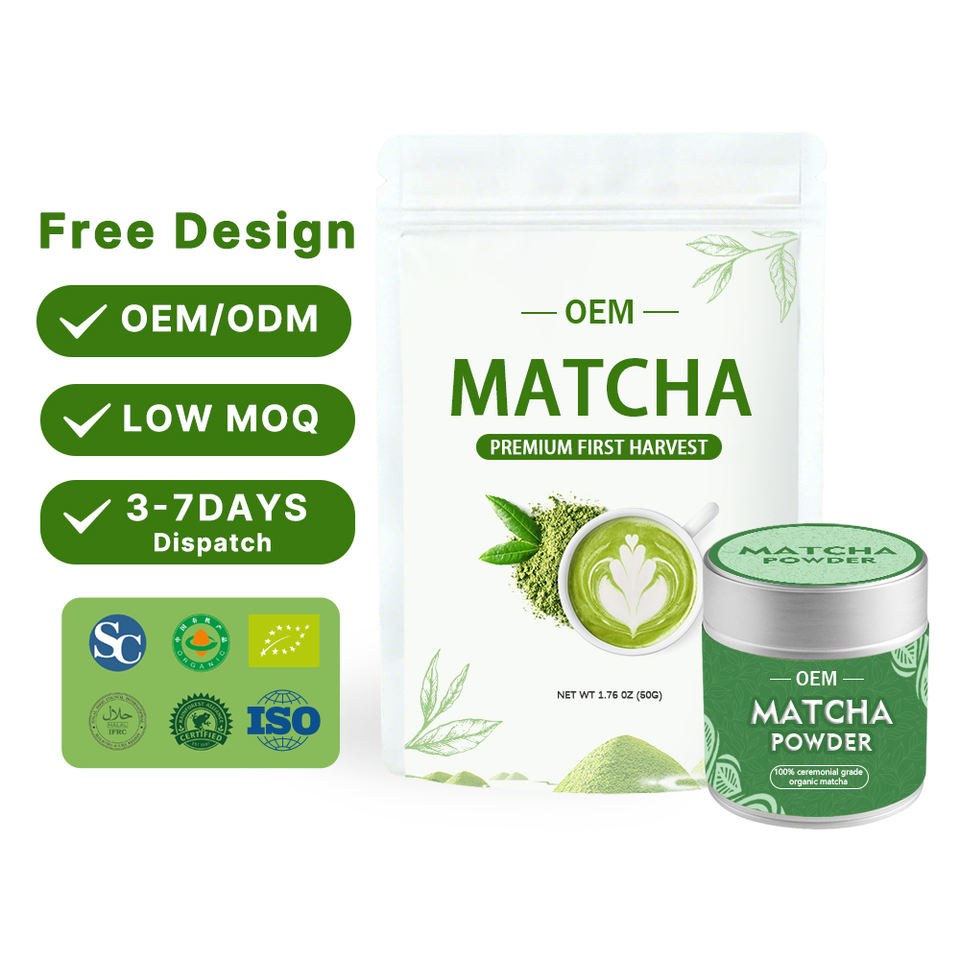
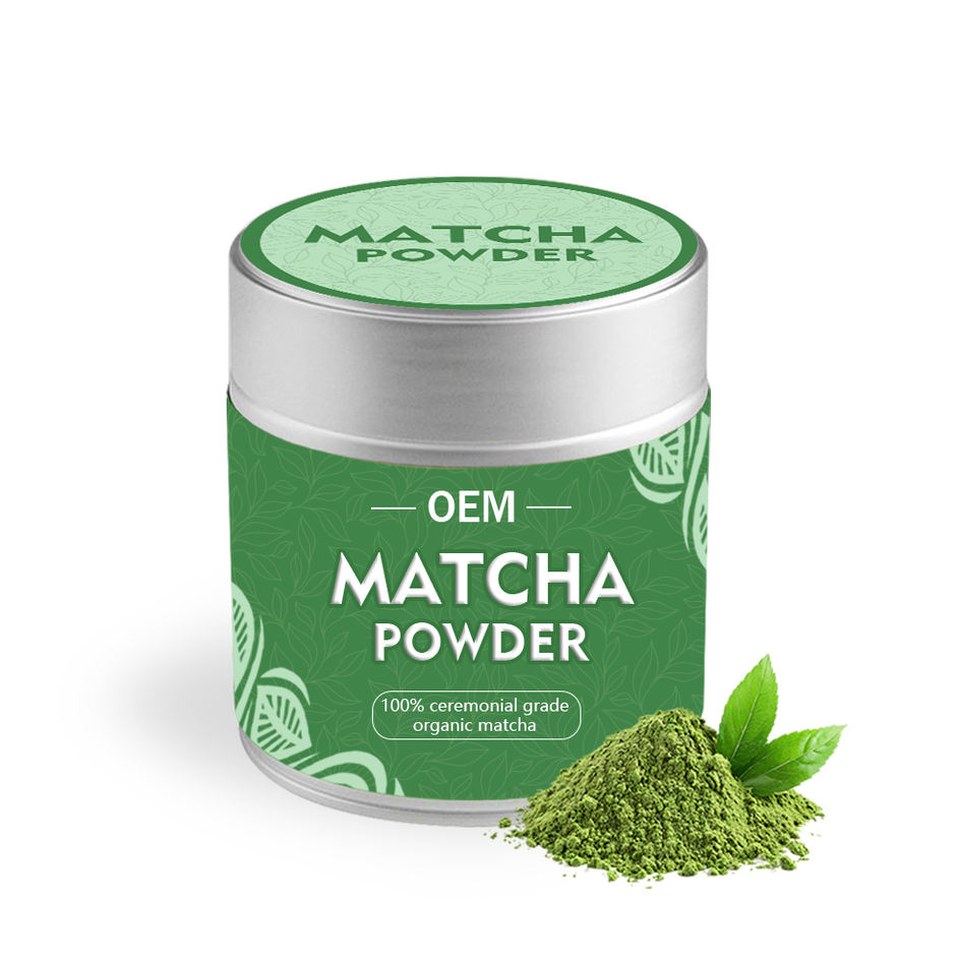
Matcha is sensitive to oxygen, moisture, heat and light. Packaging should provide an effective barrier and a reliable seal. Common formats include tins, pouches, foil bags and bulk foodservice packs. Small retail tins can support premium positioning, while foil-lined bags and larger sealed packs may suit cafés or manufacturers.
Unopened matcha should be stored in a cool, dry and dark environment according to the supplier’s instructions. After opening, limit air exposure, reseal the package promptly and avoid condensation. Buyers should confirm shelf life, storage conditions and date coding before approving packaging.
Source Ceremonial Matcha with Sunecoo Matcha
Sunecoo Matcha supports wholesale, foodservice, OEM and private label programs with multiple matcha grades and packaging formats. Buyers can review our ceremonial matcha powder range or contact us with the intended application, package format, quantity and destination. We can then help compare suitable specifications and prepare a more accurate quotation.

Discover Sunecoo Matcha
Join the Sunecoo Matcha Newsletter for matcha product updates, sourcing guides, private label packaging ideas and wholesale market insights.